

Asbestos and Mesothelioma
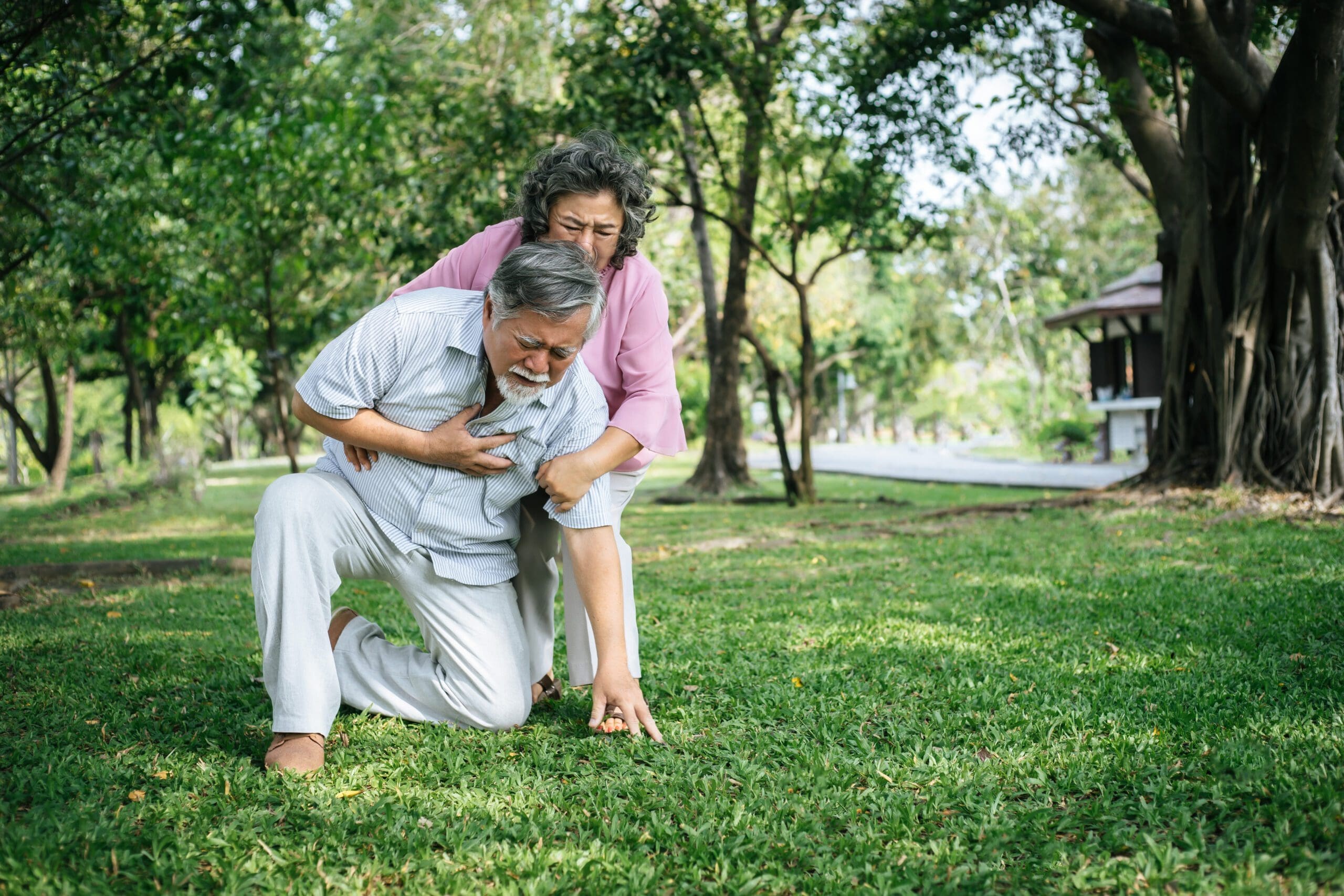
Asbestos is the main risk factor in mesothelioma. People exposed to asbestos can develop mesothelioma after the mineral's fibers pierce the body's tissues that protect it.
The asbestos fibers can be embedded in the lining of lung (pleura) or abdomen (peritoneum) or in the membrane which surrounds the testes (pericardium). People who have been exposed to asbestos may also get mesothelioma from taking home asbestos-containing clothing.
Asbestos mining
Inhaling asbestos fibers is the most common way that people are exposed to mesothelioma. These tiny fibers can cause mesothelioma, lung cancer, or asbestosis. Symptoms typically appear between 15 and 30 years after the first exposure.
The mining of asbestos is a risky job. Mines are usually located in remote locations, and asbestos is usually submerged. This makes it difficult to access. Fires, heavy machinery, explosions, as well as toxic chemicals, can also cause injuries to workers.
A higher level of exposure to asbestos exposes miners to a greater risk of mesothelioma. The asbestos may remain in the work place after mining for a long period of time, and miners could take the asbestos fibers home and wear them on their clothes. peritoneal mesothelioma not caused by asbestos can lead to exposure to family members who are also at risk of mesothelioma.
The most popular asbestos type is chrysotile. It is used in a wide variety of construction materials. It is a durable and flexible mineral with good fire-resistant and electrical properties. It is also a good insulation. Asbestos was used extensively in the United States until the 1980s, when it was banned from most products.
People who mine asbestos are at a greater risk of developing mesothelioma. However they also are exposed to it when working in other industries. Many asbestos-related illnesses are linked to a variety of factors. Smoking and certain genetic mutations, such as, increase the chance of developing mesothelioma.
Certain workers who work with asbestos are at risk of developing other forms of mesothelioma, including the pericardial and peritoneal. The peritoneal and pericardial lines are similar to pleura, and are covered by mesothelial cells. Exposure to asbestos can cause these cells to develop abnormally, leading to mesothelioma. Mesothelioma can also affect the skin, causing itching and swelling. It can also cause pleural effusions which is the accumulation of fluid inside the lung. This can make breathing difficult and uncomfortable. The most commonly reported symptom of pleural mesothelioma is chest pain.
Asbestos manufacturing
Mesothelioma is a cancer that affects the mesothelium that covers organs in the abdomen and chest. It is linked to asbestos exposure. Most mesothelioma is caused by asbestos exposure in industrial locations like asbestos mines and manufacturing facilities. However, other factors, like smoking, or having a history of mesothelioma, can increase the risk.
Asbestos fibres can be inhaled and ingested if disturbed. These fibres can irritate the lining of the mesothelium, causing genetic mutations which lead to cancer. The symptoms of mesothelioma might not manifest until 50 years after initial exposure.
The most common asbestos type that can cause mesothelioma, is chrysotile. This incredibly durable and fire-proof substance was widely used for construction in the 1940s and 1970s. Asbestos was often incorporated into roofing and wall materials, pipes, insulation and other. Workers were exposed to asbestos when these materials were installed.
Asbestos producers concealed asbestos' dangers from their workers and the public. Workers in asbestos mines, mills or factories that contained asbestos were exposed to asbestos-related dangers without knowing about them. These workers were at risk not just of mesothelioma, but also other asbestos-related illnesses.
Secondary exposure may also occur for those who work close to asbestos, such as those who bring home asbestos fibers from their clothing. For example, ceramics and barbers are known to carry asbestos home on their shoes, clothing, and equipment. These workers' families were also at risk of mesothelioma due to exposure to asbestos fibers.
People in any occupation who were exposed to asbestos are at risk of developing mesothelioma. The majority of mesothelioma victims are military veterans. The large use of asbestos by the military is believed to be due to the need for ships, aircraft and barracks that were constructed in a hurry to prepare for wars where veterans served. Additionally, veterans were frequently transferred between bases and may have been exposed to asbestos in different places.
Asbestos insulation
Asbestos is a group of fibrous minerals that occur naturally in tiny bundles of fibers. In the past it was used as an insulator, or in construction materials. It is strong and fireproof, as well as resistant to corrosion. It was used to create floor and ceiling tiles as well as asbestos cement as well as parts for clutches and brakes for automobiles. However, when a person breathes asbestos fibers, they could become lodged in the lungs and other organs. The fibers have been known to cause serious diseases like lung cancer and mesothelioma.
Construction workers were more at risk of exposure to asbestos than other workers. This is due to the fact that they handle and apply insulation. Insulators were required to cut and sand the insulation material which exposed them to the mineral. The asbestos fibers also dispersed when they threw away the insulation material to perform other tasks in the same area.
Insulators were at a higher risk of being exposed to asbestos, since the insulation they used was often asbestos-containing. It is not unusual for asbestos-containing insulation that was older to be removed to perform other tasks on a house or building. If this insulation is agitated and shattered, it releases asbestos-containing fibers into the air. Insulators who breathe in the fibers or swallow them could develop asbestos-related ailments like mesothelioma. This cancerous disease can affect the lining of the lung and organs.
Mesothelioma is a rare cancer that affects the thin liner of the lungs and the chest. It can also affect the abdominal cavity. It can take at least 30 years after exposure to asbestos for mesothelioma signs to show up. The signs of the disease include fluid accumulation around the lungs, trouble breathing, chest pain, coughing, fatigue and stomach upset.
A family history of mesothelioma increases the chance of developing this disease. They could be at risk if they have been exposed to asbestos fibers that are on the skin, clothing or hair of relatives of someone who has been diagnosed with mesothelioma. They also run the risk of bringing home asbestos fibers on their footwear or clothing and putting family members at risk.
Asbestos roofing
Asbestos is one of the naturally occurring minerals that occur as bundles of tiny fibers. It was extensively used in construction and many other industries due to its fire-resisting, corrosion-resistant and insulating properties. However, inhalation of asbestos fibers can lead to serious health issues like mesothelioma, lung cancer and asbestosis. These conditions typically take between 15 to 30 years to develop after the initial exposure.
Asbestos particles are broken into tiny fibers when exposed to air. They are easily inhaled. The fibers can penetrate into the lungs where they become lodged and create scar tissue, also known as fibrosis. The fibrosis may hinder breathing, causing complications such as chest pain, a persistent cough and difficulty swallowing. It can also cause an accumulation of fluid in the lungs (pleural effusions).
Mesothelioma is a rare and aggressive form of cancer that affects the organ's lining. It is typically found in the lungs and abdomen, but it can also affect the testicles, the heart and abdominal cavity, the larynx and ovaries. It takes around 20 to 40 years after exposure to develop mesothelioma, but it is possible to develop cancer even if you've only been exposed to low levels of asbestos.
Asbestos exposure is typically linked to mesothelioma if the subject was exposed to asbestos cement roofing or shingles, asbestos insulation, and asbestos-containing paints (ACM). Other asbestos products were also often used, including:
While most people who have been exposed to asbestos at low levels do not get sick It's essential to see your doctor if you're experiencing any symptoms that could be related to asbestos. The best method of testing for mesothelioma is a biopsy, which is performed under local anesthesia, and requires only the use of a small amount of tissue. The biopsy is sent to a laboratory to be examined for presence of mesothelioma-related cells. The results of the biopsies will be reviewed by a specialist in order to determine if mesothelioma was found.